
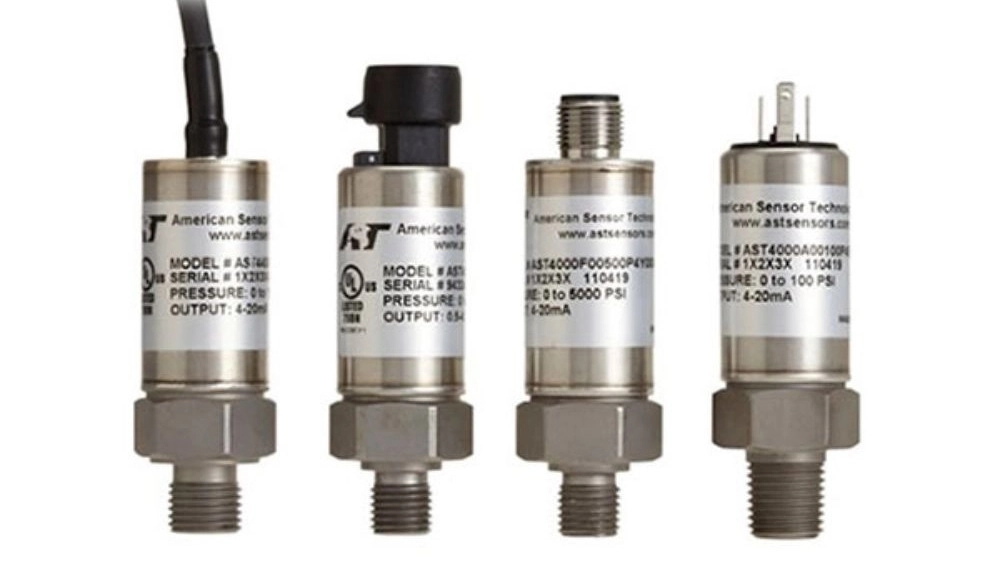
Pressure sensor is one of the most widely used and popular equipment in process industries that converts input mechanical pressure into electrical output signal. Different types of pressure sensors are produced based on size, capacity, measurement method, measurement technology and output requirements.
Pressure sensors can measure absolute pressure, relative or gauge pressure (relative to atmospheric pressure), or differential pressure (difference between two pressure points). Keep in mind that sensor selection depends on the specific application and the accuracy, resolution, and operating range required.
Types of pressure sensors
A pressure sensor is a device that converts the input mechanical pressure in gases or liquids into an electrical output signal. This equipment includes a pressure-sensitive element that can measure the applied pressure, and the electronic components work to convert the information into an electrical output signal.
Submersible pressure sensors can be used to measure liquid pressure (up to 30 PSI) with voltage or current output (4-20 mA) in tanks. By placing these sensors at the bottom of a tank, you can obtain accurate information about the contents of the tank and alert workers or the process control system if the tank level drops below the limit.
Pressure is defined as the amount of force exerted by a liquid or gas per unit area (P=F/A) and the common pressure units are pascal (Pa), bar (bar), N/mm2 or psi (pounds). per square inch). Based on the reference pressure, pressure sensors are divided into three general categories: absolute pressure, gauge pressure, and differential pressure:
1. Absolute Pressure Sensor (Absolute)
This type of sensor is used to measure pressure in barometer and altimeter and atmospheric pressure. In rare cases, physical pressure measurements in absolute conditions (such as closed systems) are unavoidable. The pressure sensor used in such cases must be placed in the chamber in a special way. This pressure is measured relative to absolute zero pressure. For example, if this sensor is placed in the open air, approximately 1 bar pressure will be displayed.
2. Pressure or relative pressure sensor (Gauge or Relative)
This type itself is divided into the following two categories:
vented gauge
sealed gauge
on the other hand, in another category in terms of interval The pressure measurement of these sensors is divided into three categories:
Positive gauge pressure that can only measure pressures higher than the atmosphere
Vacuum or vacuum that only measures pressures lower than the atmosphere
Combination that as It can be seen from its name that it can measure lower and higher pressures than the atmosphere
1. Differential pressure sensor (Differential)
They are divided into two categories: one-way differential pressure sensor and two-way pressure sensor.
Types of technology and how the pressure sensor work
In addition to the reference pressure type, pressure sensors are produced in different types based on pressure measurement technology. Common types of pressure sensors are as follows:
Resistance Pressure Sensor:
These types of pressure sensors use the piezoresistive effect in semiconductors. When pressure is applied, the resistance of the semiconductor changes proportionally. This change in resistance is measured and converted into fluid pressure.
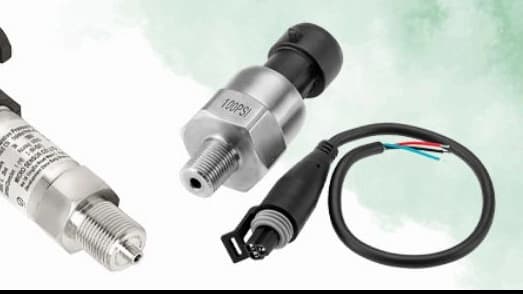
Capacitive pressure sensor
Capacitive sensor has two capacitors with capacities C1 and C2 and a diaphragm, which changes the capacitance by applying fluid pressure to the diaphragm and deflecting the diaphragm. Finally, the fluid pressure is determined through the change in the capacitance of the capacitor.
Common technologies use metal, ceramic, and silicon diaphragms. Also, the capacitance of the capacitor can be calibrated to provide accurate pressure.
Capacitive sensors that show the change in capacitance with the deflection of a plate under applied pressure, can be very sensitive and withstand high pressures. But limitations in materials, bonding and sealing requirements can limit applications. They have low hysteresis with good reproducibility and are not very sensitive to temperature changes.
Streen gauge or strain
The strain gauge sensor measures fluid pressure by changing resistance in materials such as silicon. In fact, the strain gauge is connected to a diaphragm that changes shape under pressure and changes the resistance according to the applied pressure. This type of sensor is also known as piezo resistive.
Microelectromechanical sensor
MEMS (Micro Electromechanical System) sensors contain a piezo or capacitive pressure sensing mechanism built on micron-resolution silicon. These sensors are widely used in electronic equipment due to their small size and affordable price.
Pressure sensor applications
Pressure sensors are used in various industrial applications where accurate monitoring and control of pressure is necessary. Several industries rely on pressure sensors to monitor and control their applications, which is why the demand for production has increased. Some common applications of pressure sensors are mentioned below:
- اتوماسیون صنعتی: سنسور فشار در اتوماسیون صنعتی برای نظارت و کنترل فشار در سیستم های پنوماتیک و هیدرولیک مورد استفاده قرار می گیرند. آنها کمک می کنند تا اطمینان حاصل شود که فرآیندها در محدوده فشار ایمن کار می کنند و کارایی و بهره وری را بهینه می کنند.
- نفت و گاز: سنسورهای فشار نقش مهمی در صنعت نفت و گاز برای نظارت بر فشار چاه، فشار خط لوله و سطح مخازن دارند. آنها به اطمینان از عملکرد ایمن و کارآمد فرآیندهای حفاری، تولید و حمل و نقل کمک می کنند.
- سیستم های HVAC: سنسورهای فشار در سیستمهای گرمایش و تهویه مطبوع (HVAC) برای نظارت بر سطح فشار هوا کاربرد دارند. آنها به حفظ جریان هوا و تهویه مناسب کمک می کنند و به بهره وری انرژی و کیفیت هوای داخل خانه کمک می کنند.
- خودروسازی: سنسورهای فشار در کاربردهای خودرویی برای نظارت بر فشار تایر (TPMS)، عملکرد موتور و سیستمهای کیسه هوا استفاده میشوند. آنها به ایمنی خودرو، بهره وری سوخت و عملکرد کلی کمک می کنند.
- آب و فاضلاب: سنسورهای فشار در تصفیه خانه های آب و فاضلاب برای نظارت بر فشار در لوله ها، مخازن و سیستم های فیلتراسیون به کار می روند. آنها به بهینه سازی فرآیندها و تضمین مدیریت کارآمد آب کمک می کنند.
Benefits of Pressure Sensor
The use of pressure sensors has several key advantages for industries. The pressure sensor is a widely used and common equipment that is used in various industrial sectors. They bring precision, safety and efficiency to various processes and reduce other costs. Below are some of the common advantages of pressure sensors:
- دقت بالا: سنسورهای فشار دادههای دقیق و قابل اعتمادی را ارائه می دهند و کنترل دقیق فرآیندهای صنعتی را آسان میکنند.
- ایمنی: در کاربردهایی مانند صنایع نفت و گاز، هوافضا و خودروسازی، سنسورهای فشار با جلوگیری از شرایط فشار بیش از حد و اطمینان از یکپارچگی تجهیزات به ایمنی فرآیند کمک میکنند.
- حساسیت: این سنسورها اغلب دارای حساسیت بالا به تغییرات فشار هستند، که این امر ایدهآل برای کاربردهایی است که نیاز به اندازهگیری فشارهای کوچک یا دقیق دارند.
- زمان پاسخگویی سریع: بسیاری از سنسورهای فشار دارای زمان پاسخ کوتاهی به تغییرات فشار هستند که برای کاربردهایی مانند کنترل فرآیندها و سیستمهای پویای بسیار مفید است.
- استحکام: بسیاری از سنسورهای فشار دارای ساختارهای محکم و مقاومی هستند که امکان کارکرد در شرایط صنعتی سخت را فراهم میسازند.
- کاربردهای گسترده: از کنترل فرآیندها تا کاربردهای پزشکی، سنسورهای فشار در زمینههای مختلفی به کار میروند و به بهبود عملکرد و کارایی کمک میکنند.