
2. The spectral interval and sensitivity
3. Electronic performance and gin
4. Operational limitations and points
5. Common applications
6. Summary and Selected Tips
⸻
1. General Features and Structure
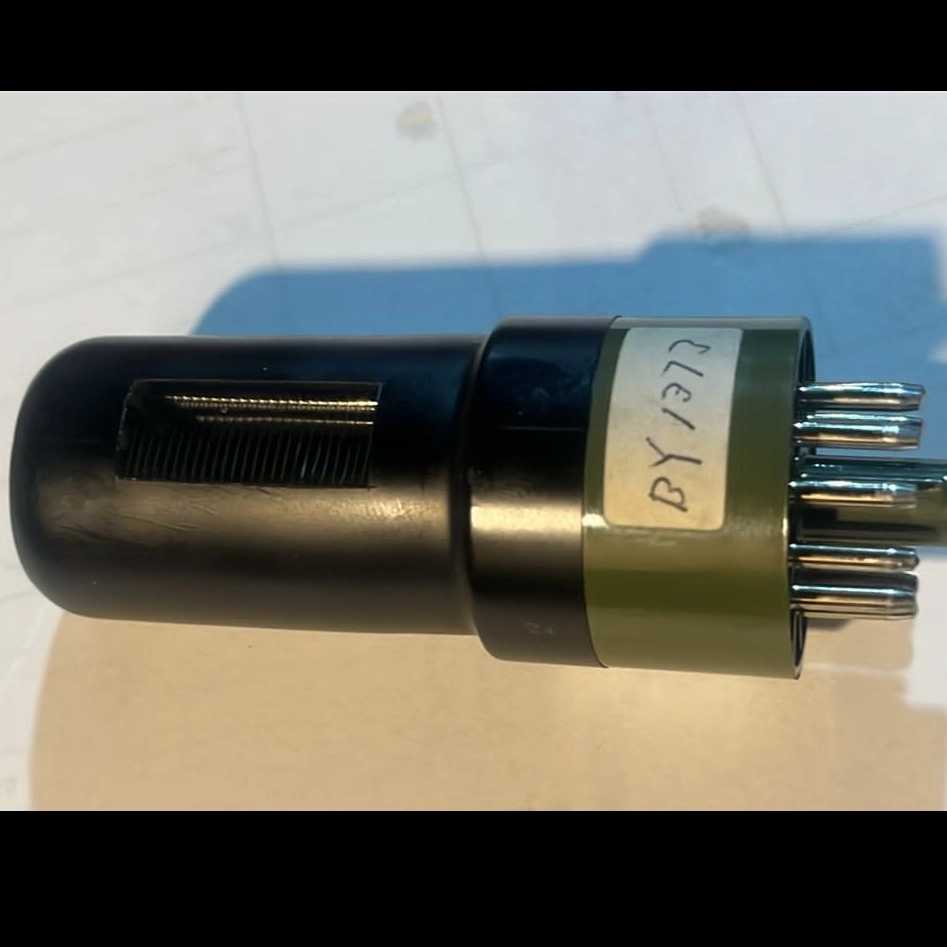
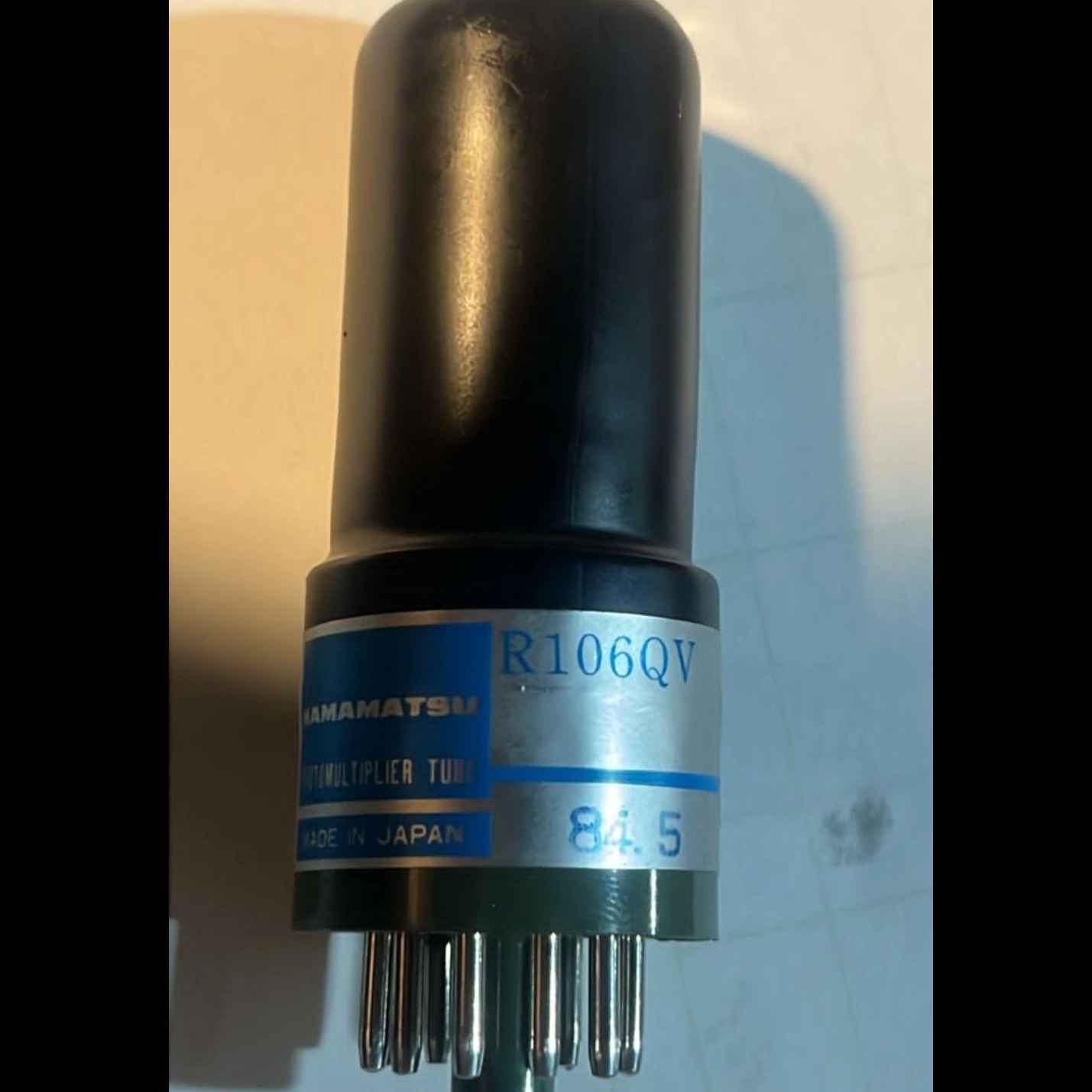
• Model and manufacturer: Model R106, Hamamatsu Photonics. 
• Structure: Side-on with a diameter of approximately 2 mm. 
• Window Material: Silica (Silica) for better ultraviolet light. 
• Number of Dynode Stages: 1 Step (or 2 Step, Depending on Source) 
⸻
2. Spectral interval and sensitivity
• Spectral Response: From about 1 to 2 nm 
• Peak Wavelength (Peak Wavelength): Approximately 2 Nm
• Anode Sensitivity: About 1 A/ LM in Reference Conditions 
• Quantum Efficiency: Relatively varies in database in different areas. 
⸻
3. Electronic performance and gin
• Gain: approximately 1.5 × 10⁵ 
• Dark Current: Under normal conditions ~ ۱ Nano -nano -nano -nano -nano -darkens in the dark 
• Rise Time: About 1.2 Nanisma 
• Maximum Supply Voltage: Up to 1V 
• Maximum allowed anode flow: about 1.5 mAh to prevent damage and maintain a linear function 
⸻
4. Operational limitations and points
• Dark noise and current: For very weak signals, darkness is the main limit. Performs better at lower temperatures or controlled conditions.
• Magnetic field effect: PMT tubes are sensitive to magnetic field. The external field may change the direction of the electrons and reduce efficiency. The use of magnetic protective coatings is recommended. 
• Signal and saturation linear: If the optical signal increases, some religious stages may enter saturation and the linearity of the system may be reduced.
• Aging and changing performance: With constant use, some gradual changes in sensitivity may occur.
• Calibration: For applications such as single photon count, precise calibration and signal separation from noise must be performed.
⸻
5. Common applications
Tube R106 is used in a variety of applications, such as:
• UV/VIS spectroscopy
• Weak light detection
• Measurement of fluorescence
• Low photon detection systems
• Basic physics tests and small -scale light studies
⸻
6. Summary and Selected Tips
Tube R106 is a balanced option between sensitivity, response speed and spectral coating. If we want to highlight its strengths and disadvantages for the site or blog
strengths:
• Widespread spectral response from UV to Visan
• acceptable sensitivity
• Relatively quick response time
• Ability to work with high voltages
Disadvantages / Challenges:
• Dark flow limits in measuring very weak signals
• Magnetic field sensitivity
• Possibility of decreasing performance over time
• Needed Voltage Divider Circuit appropriate