
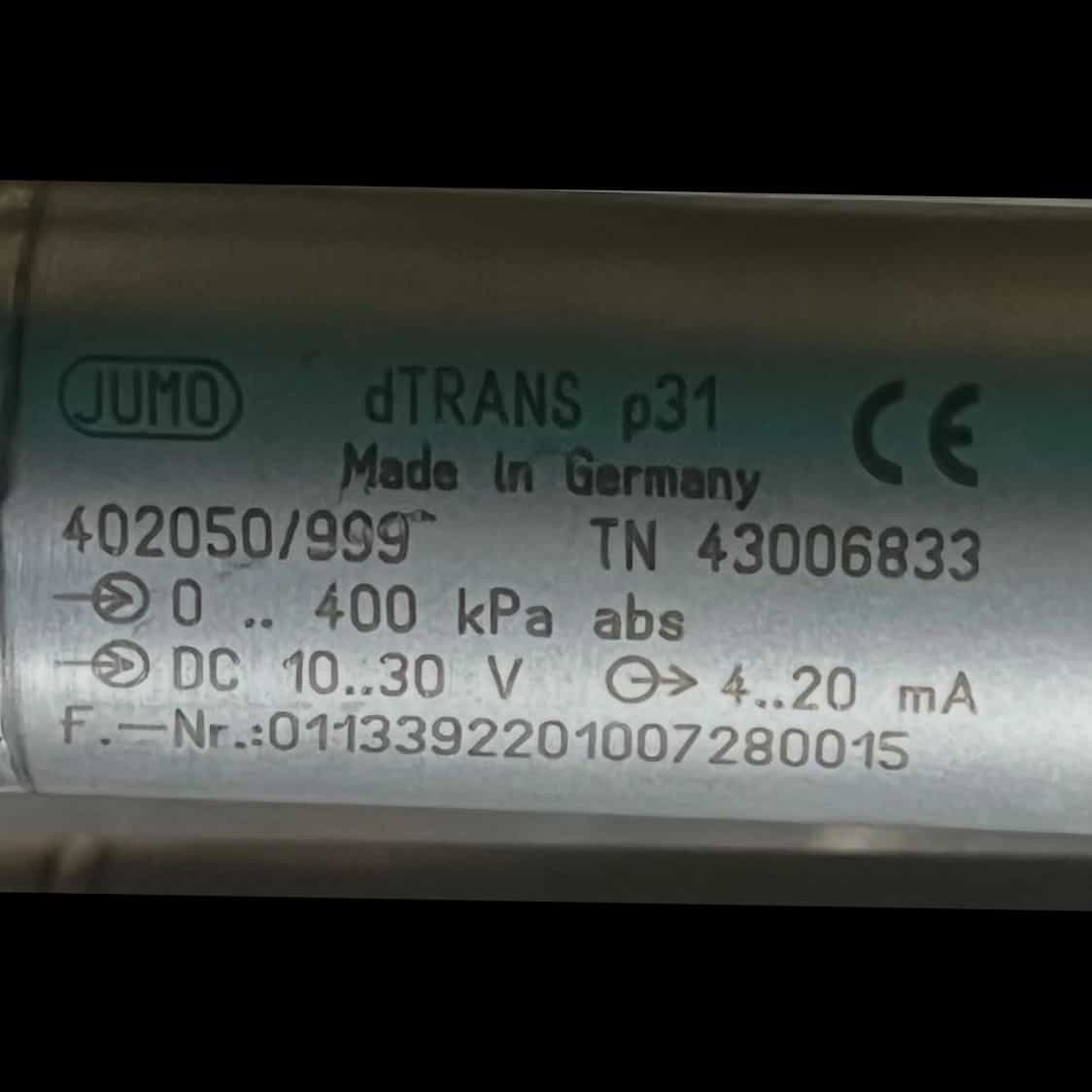
• Converting pressure to electrical signal
4. Original Technical Specifications
• Pressure range (relastic and Absolute)
• Work temperatures of ambient and fluid
• Type and accuracy of output (eg 4-20 ma)
• Power supply (DC 10-30 V)
• Body and aperture (stainless steel, no extra seals)
5. Mechanical design and process connections
• Types of connections (needle, clamp, din, threads)
• Hygienic Design (Hygienic Design)
6. Benefits and limitations
• Temperature resistance and high pressures
• Long -term durability and stability
• Tips on Use such as Need to Set Calibration
7. Applications and Target Industries
• Food and Pharmaceutical Industries
• Sterilization, Autoclaves
• Chemical, Medical Industries, Water Purification
8. Selecting the right model for specific application
• Choose the appropriate pressure range
• Select the type of connection and body sex based on fluid
• Select the type of output and require a display or converter
9. Installation, maintenance and safety tips
• Installation of correct aperture and for pressure
• Environmental and protective conditions (IP, temperature, vibration)
• Periodic test and calibration
10. Comparison with similar sensors and proposals of alternatives
• Benefits over competitors
• Cost, accuracy, durability
⸻
Technical points and important details of existing sources
Here are some technical information found from different sources:
• This sensor is suitable for fluid temperature in the aperture between approximately -30 and +200 ° C. 
• The sensor is produced in a variety of relative pressure and absolute. 
• The body and parts that are in contact with the fluid are made of stainless steel and have a "hygienic" design that is suitable for industries with high cleaning. 
• Common output: 4-20 MA (dual-wire), but there are also models with voltage output. 
• Conservation against water/dust penetration is usually provided at the IP65/IP67 level. 
نظرات و تجربیات شما
دیدگاه شما چیست؟
با ثبت امتیاز خود، به ما در تولید محتوای بهتر کمک کنید.